


Le Bab Covent Garden: The Kebab, Reimagined


Few foods are more democratic than the kebab. It's the meal we reach for after clubbing, the one we love in the moment and occasionally regret the morning after. It's rescued countless late nights, fuelled post-party journeys home and become part of the fabric of the UK's food culture. But what happens when you take that familiar format, strip away the assumptions around what a kebab should be and give it the attention usually reserved for a more formal restaurant kitchen?
That's where Le Bab comes in.
The Covent Garden restaurant, tucked away on Mercer Walk, is part of a story that began in Soho in 2016, when the founders moved from London street-food stalls into their first permanent restaurant. There was no family kebab shop behind the concept and no inherited recipe book to follow. Instead, the food was built from scratch, seasonally, borrowing flavours and techniques from wherever they made sense together. A decade on, that philosophy remains at the heart of Le Bab.
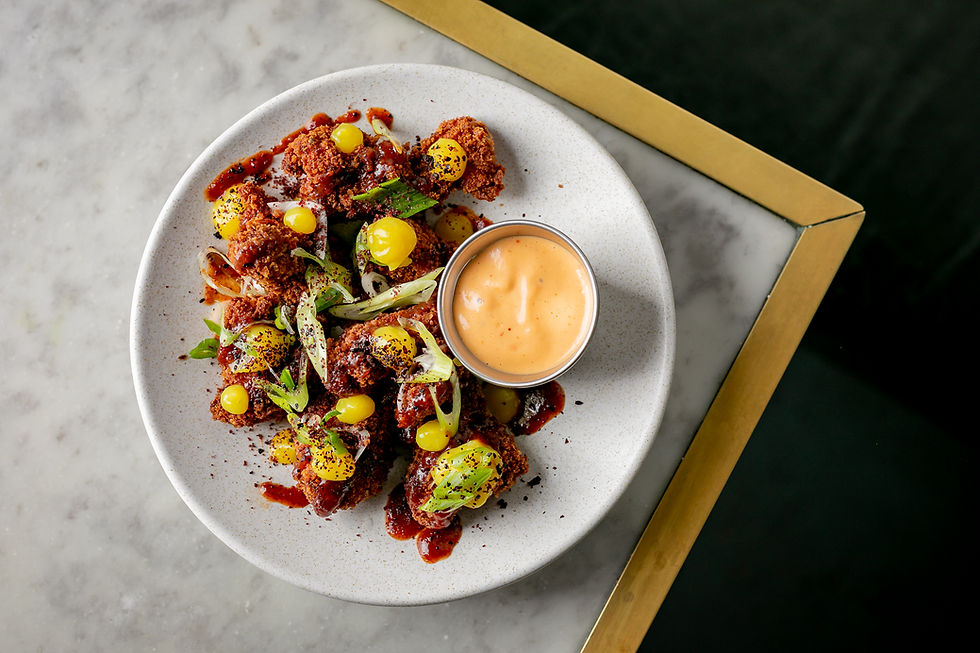
The result is a restaurant that still proudly calls itself a kebab restaurant, but one where the word feels considerably more expansive than its traditional associations. And for those who prefer their dining experience a little more discreet, there's another side to Le Bab. Hidden behind a secret access point within the restaurant is Kebab Queen, its fine dining experience, where the humble kebab is taken somewhere altogether more unexpected.
Location
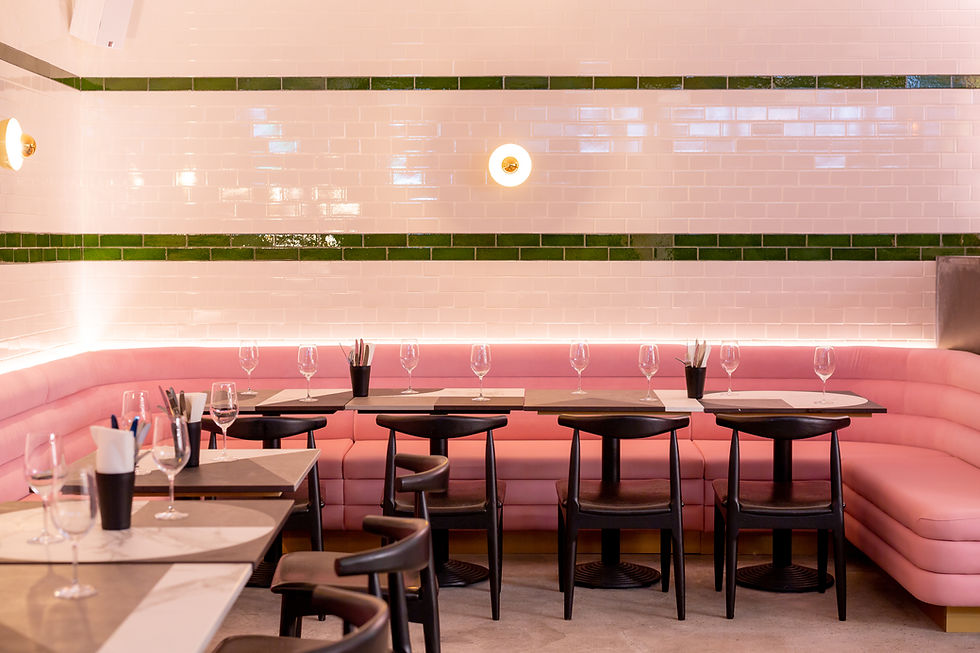
Le Bab sits at 4 Mercer Walk, close enough to the energy of Covent Garden to feel firmly part of the neighbourhood, but tucked away enough to feel like a destination rather than somewhere you accidentally stumble into. It's the kind of location that works equally well for a casual lunch, an after-work drink or a longer evening built around sharing plates and kebabs.
Unlike Le Bab's London counters, the Covent Garden site is a proper sit-down restaurant, with a menu spanning mezze, kebabs, sides, salads and cocktails. It is also one of the two Le Bab restaurants in London where you can book a table, alongside the original Soho location.

The Le Bab Philosophy
What makes Le Bab interesting is its refusal to take the kebab too seriously while taking the cooking very seriously.
Executive Chef Manu Canales describes the aim as bringing quality, char, zing, crunch and punchy umami to every kebab, and that philosophy runs through the menu.
It's a clever distinction. This isn't an attempt to turn the kebab into fine dining. You won't see unnecessary flourishes or precious presentations. Instead, the familiar format becomes a vehicle for combinations that are unexpected, generously flavoured and designed to be eaten with your hands.
And that's important. Despite the more sophisticated ingredients and flavour combinations, Le Bab never loses the pleasure of eating a kebab.
Mezze & Small Plates
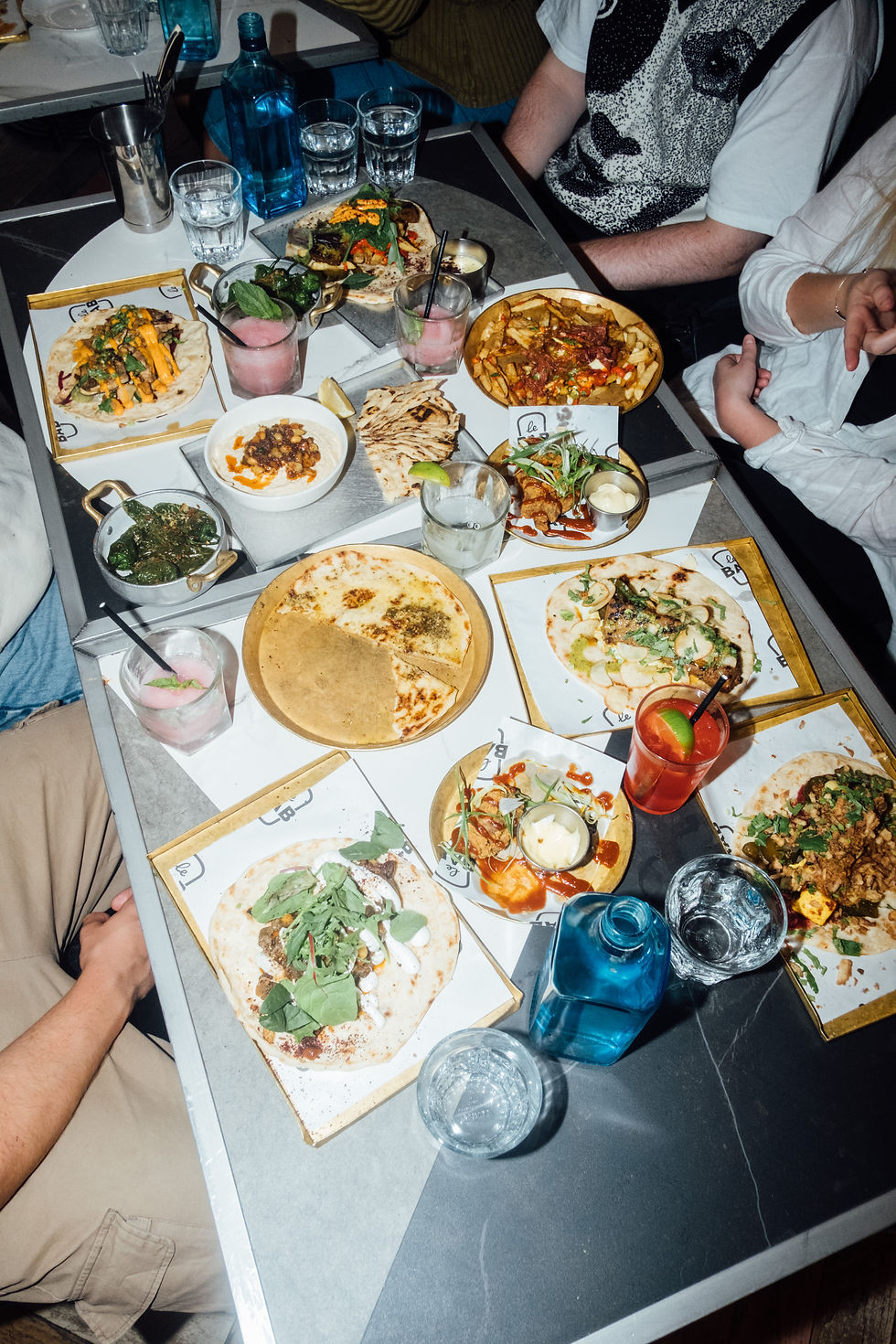
The best way to approach the menu is exactly as Le Bab suggests: start with the hummus.
The current Covent Garden version comes topped with peanut-spiced pesto, giving the familiar chickpea base a nuttier, more savoury dimension. Alongside it, there's plenty to choose from, including smoky baba ganoush with roasted walnuts and pomegranate molasses, charred leeks with whipped labneh, pine nuts and tarragon, and blistered Padrón peppers with roasted red peppers, feta dip and dukkah.
The menu is particularly good at building contrast. Smoky against fresh, creamy against crunchy, sweet against heat. Even the heritage tomato salad brings together tomatoes, raspberries, feta, basil, za'atar pita croutons and oregano dressing.
This is food that begs to be shared, with the best approach being to order generously for the table and let everyone have a little of everything.
The Kebabs
Then there are the kebabs, which are very much the reason to come.
The Paneer Kebab has become something of a Le Bab signature, and it's easy to understand why. Tikka paneer is paired with sweet beetroot purée, crunchy cucumber and celery, curry mayonnaise and crispy onions. It manages to be creamy, crunchy, sweet, savoury and lightly spiced in the same bite.
Then there's their infamous Salt Beef Kebab, made with New York-style beef brisket, sauerkraut and spicy gochujang relish. It's a good example of Le Bab's willingness to borrow from different culinary traditions without becoming overly concerned with whether the combination fits neatly into one category.
The Free-range Chicken Shish takes a different route, pairing charred chicken thigh with fresh hispi slaw, crispy chicken skin and garlic crème fraîche, while the Lamb Adana brings minced lamb, slow-cooked onions, tzatziki and sun-dried tomato mayonnaise.
For anyone who cannot decide, the Mixed Grill Platter brings together salt beef brisket, lamb Adana and chicken shish, served with radish salad, house sauces and flatbread.
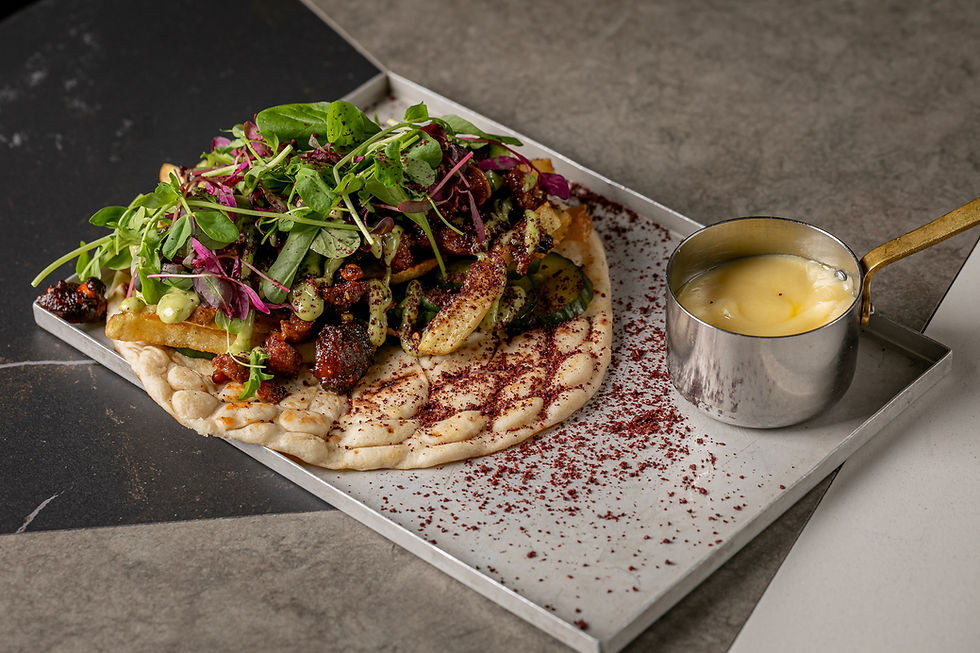
The Lamb Steak Kebab is another standout on paper, using Dorset lamb chump from the grill with green pepper and caper salsa and harissa labneh. It's a reminder that the menu can move between playful and genuinely ingredient-led without losing its identity.
And Then There's The Basement
And then there is the basement, where Le Bab takes the relationship between kebab and nightlife somewhere entirely new. Downstairs, the restaurant gives way to a space designed for further dining, drinking and partying, merging the club with the kebab in a way that feels both unexpected and, somehow, entirely logical for London.
It's an ingenious idea. The kebab has always belonged to the hours after dark, particularly the post-club pilgrimage for something hot, salty and satisfying. Le Bab simply flips the formula, bringing the energy of the club into the restaurant rather than making the kebab the final stop of the night.

The basement becomes an extension of the evening, where dinner can seamlessly turn into cocktails, music and dancing without ever having to leave the building. The drinks list suits the transition, with wines by the glass and bottle alongside Margaritas, Negronis, Palomas, Espresso Martinis and Old Fashioneds. For those not drinking, there are equally considered options including a Pentire Coastal Spritz and a spicy 0% Margarita.
And, naturally, there are certain foods that are almost mandatory when they appear on a menu. At Le Bab, the fries fall firmly into that category.
The Signature House Fries are double-cooked and finished with Le Bab’s seasoning, while the Molten Cheese Fondue brings together vintage cheddar, mozzarella and confit garlic, designed quite literally for dipping. It's indulgent, messy and completely unnecessary in the best possible way.
This collision of food, music and nightlife has already caught the attention of London’s VIP crowd, with grime musician AJ Tracey among those to have experienced the space. Something is fitting about it. Le Bab has taken a food so closely associated with the end of a night and turned it into a reason to keep the night going.
Why Visit
Le Bab works because it understands that the kebab never needed to be rescued. It needed to be reimagined without losing what makes it so appealing in the first place.

The food is generous, playful and designed to be shared, while the Covent Garden space takes the experience beyond the plate. Upstairs, there is a lively restaurant built around seriously considered kebabs and mezze. Downstairs, the mood shifts, bringing together food, cocktails, music and nightlife in a concept that feels distinctly London.
And then there is Kebab Queen, hidden behind a secret access point within Le Bab, offering a fine dining interpretation of the very food that inspired the entire concept.
It's this willingness to take the kebab somewhere unexpected, whether into fine dining or into the basement after dark, that makes Le Bab more than another place to eat. It has turned a familiar British late-night ritual into something that can occupy an entire evening.
LE BAB
Located in: Seven Dials
Address: 4 Mercer Walk, London WC2H 9FA
For more information, visit HERE
Images courtesy of Le Bab
Words by Jheanelle Feanny


Comments